Fly Ash Bricks vs Traditional Red Clay Bricks
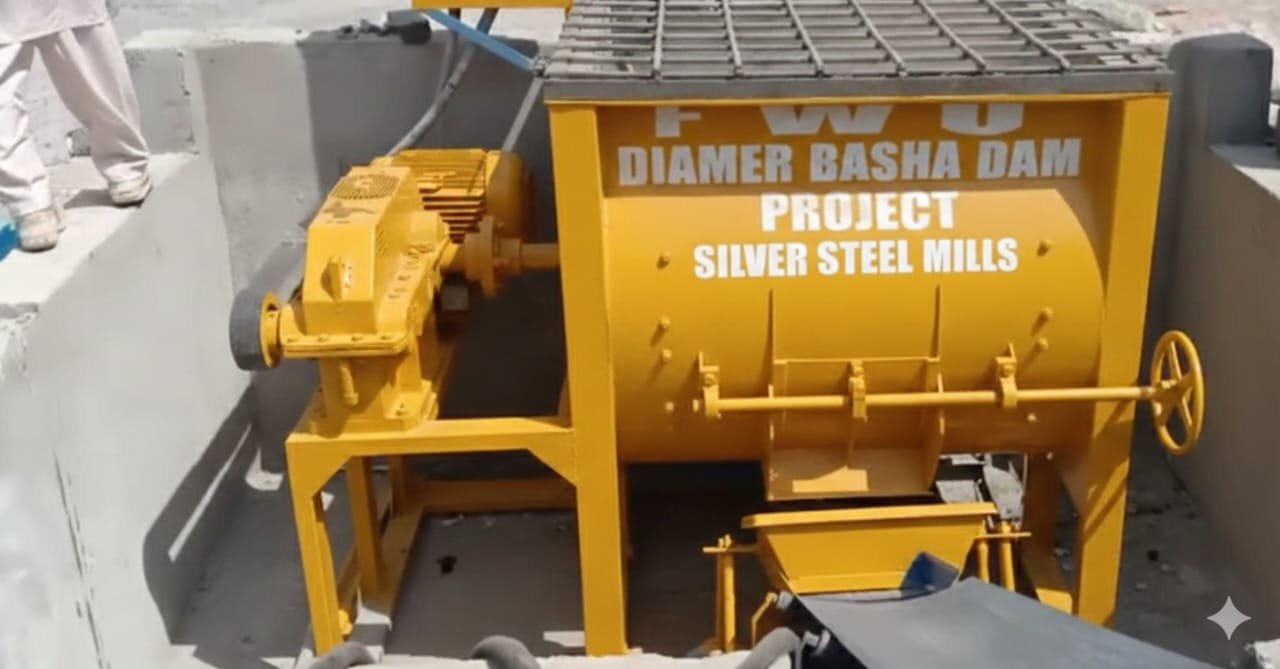
Fly Ash Bricks vs Traditional Red Clay Bricks – Which is Better for Your Construction Project in 2026?
When planning a construction project in Pakistan — whether it’s a small home, a factory shed, or a commercial plaza — one of the first decisions you’ll face is choosing the right type of brick.
For decades, red clay bricks have been the default choice. But over the last few years, fly ash bricks have gained serious attention, especially among industrial and housing project developers.
So which one should you actually use?
Let’s compare them side by side — not just on price, but on strength, durability, moisture resistance, and long-term return on investment.
What Are Fly Ash Bricks?
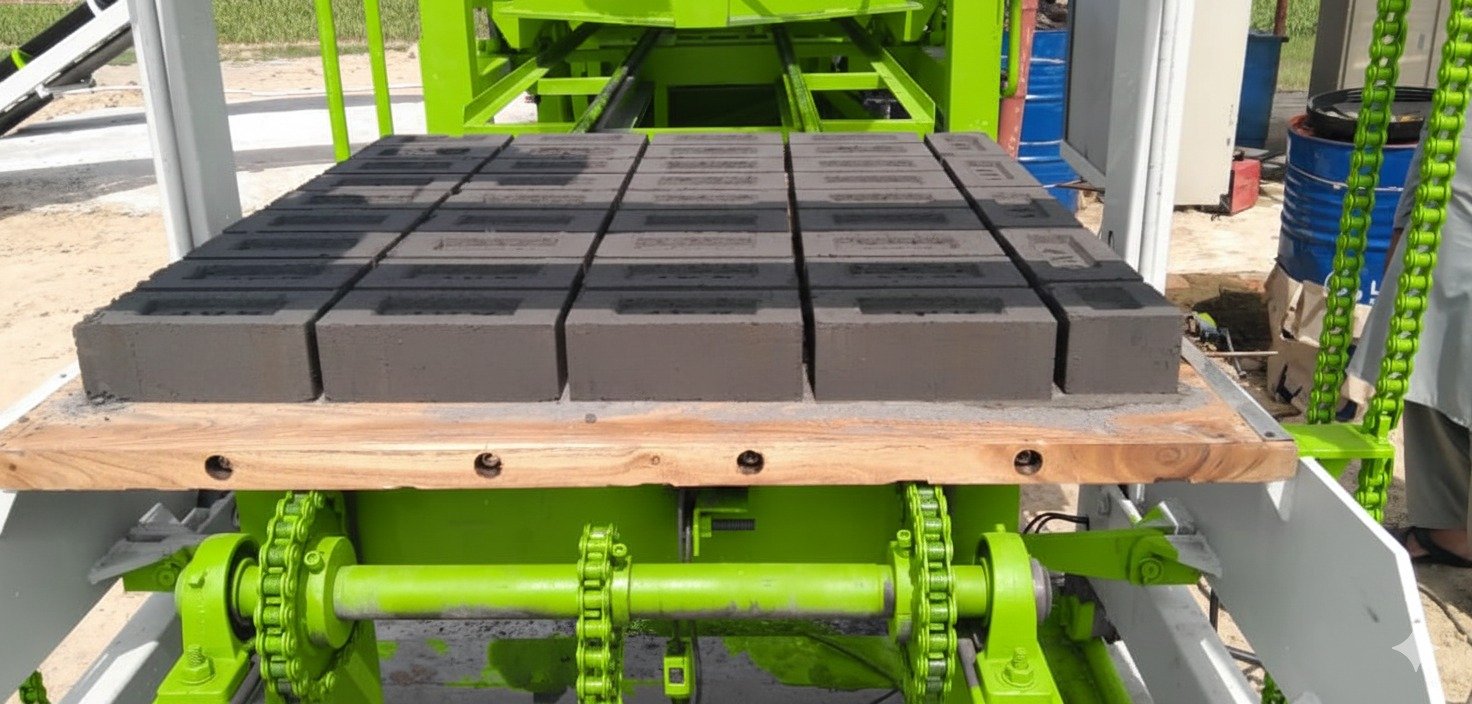
Fly ash bricks are made from industrial waste — fly ash (collected from thermal power plants), mixed with cement, sand, and water. The mixture is compressed under high pressure, creating a dense, strong brick without traditional kiln firing.
This means:
- No topsoil is destroyed (unlike clay bricks)
- No coal or wood burning
- Consistent size and shape
- Lower water absorption
Fly ash brick manufacturing has become especially common in industrial cities like Lahore, Gujranwala, Faisalabad, and Karachi, where power plants produce abundant fly ash.
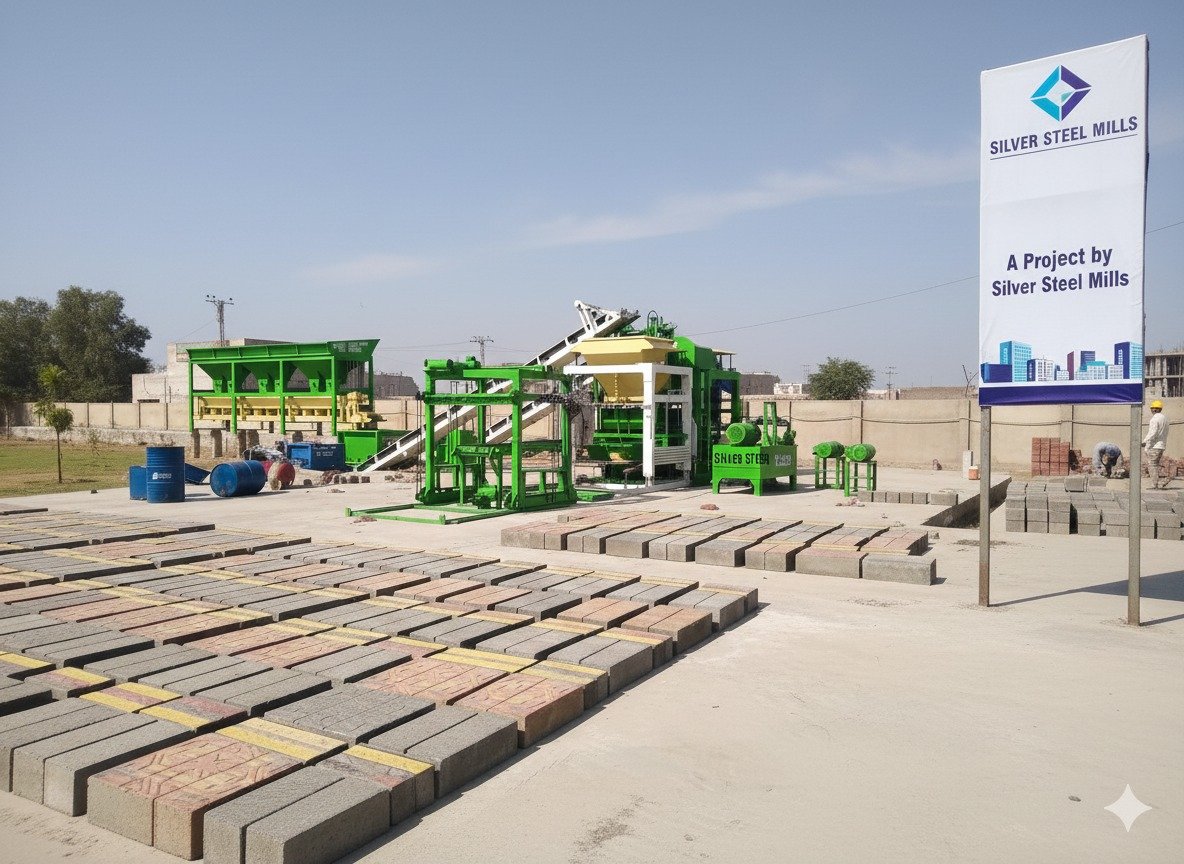
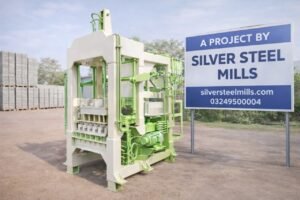
If you’re setting up a new construction material business, many suppliers now recommend fly ash brick machines over traditional kilns — not just for environmental reasons, but for better profit margins.
What Are Traditional Red Clay Bricks?
Red clay bricks are made from natural clay, shaped in molds, dried in the sun, and then fired in high-temperature kilns. They’ve been used for centuries and are still widely available across Punjab, Sindh, and KPK.
However, there are growing concerns:
- Topsoil removal damages agricultural land
- High fuel cost for kilns
- Irregular sizes increase plaster & labor cost
- Higher water absorption leads to damp walls
Head to Head Comparison – Fly Ash Bricks vs Red Bricks
| Feature | Fly Ash Bricks | Red Clay Bricks |
|---|---|---|
| Compressive Strength | 75–100 kg/cm² | 35–50 kg/cm² |
| Water Absorption | 10–15% | 20–25% |
| Weight | 2.6–3.0 kg | 3.0–3.5 kg |
| Size Consistency | Very high | Low (varies by kiln) |
| Plaster Required | Less (12mm instead of 18mm) | More (due to uneven surface) |
| Eco-friendly | Yes (uses industrial waste) | No (topsoil & wood burning) |
| Cost per brick (PKR) | 12–16 | 10–15 |
At first glance, red bricks look slightly cheaper. But the real saving comes from:
- Lower cement & plaster cost
- Fewer broken bricks during transport
- Faster construction due to uniform size
Which One is Better for Different Projects?
🏠 Small Home Construction (1–2 kanal)
- Fly ash bricks recommended – better plaster finish, lower long-term maintenance
- Red bricks acceptable but higher plaster cost
🏭 Industrial Shed / Factory / Warehouse
- Fly ash bricks strongly recommended – higher strength, less moisture, uniform size
- Many industrial projects in Gujranwala, Sialkot, and Lahore now specify fly ash bricks in their bills of quantity
For large-scale industrial projects, pairing fly ash bricks with a reliable block making machine ensures consistent quality and faster production. You can explore options from manufacturers like [Money Site URL] if you’re planning in-house production.
🏢 Commercial Plaza / Showroom
- Fly ash bricks – better for load-bearing walls and external plaster finishing
🌾 Dairy Shed / Poultry Farm
- Red bricks are still common because of lower initial cost, but fly ash bricks last longer in humid environments
Hidden Costs Most Buyers Ignore
When comparing only brick price, red bricks seem cheaper. But add these:
| Cost Factor | Fly Ash Bricks | Red Bricks |
|---|---|---|
| Plaster thickness | 12mm | 18mm |
| Extra cement for plaster | Low | High |
| Wastage (broken) | 2–3% | 8–12% |
| Labor time for wall alignment | Less | More |
| Dampness repair (5 years) | Rare | Common |
In one 1,000 sq. ft. house, choosing fly ash bricks can save 30,000–50,000 PKR in plaster and labor alone.
Availability in Pakistan – 2026 Update
Fly ash bricks are now manufactured in:
- Lahore (multiple plants near power stations)
- Gujranwala (growing industrial cluster)
- Faisalabad (textile city shifting to modern bricks)
- Karachi (Port Qasim area)
Red clay bricks are still available everywhere but face seasonal bans due to kiln emissions (especially in winter smog season).
If you’re a contractor or builder, relying only on red bricks can cause supply disruptions from November to February.
Final Verdict – Which Brick Should You Choose?
| If you want… | Choose… |
|---|---|
| Lowest upfront cost | Red bricks (but higher hidden costs) |
| Long-term durability | Fly ash bricks |
| Better plaster finish | Fly ash bricks |
| Eco-friendly construction | Fly ash bricks |
| Fast, uniform construction | Fly ash bricks |
| Rural / small repair work | Red bricks |
For most construction projects in 2026 – from housing schemes to industrial sheds – fly ash bricks are the smarter choice.
Frequently Asked Questions
Are fly ash bricks safe for load-bearing walls?
Yes. Their compressive strength (75–100 kg/cm²) is higher than red bricks (35–50 kg/cm²), making them suitable for multi-story buildings.
Do fly ash bricks need curing?
Yes, but less than red bricks. 7–10 days of curing is usually enough.
Can I use fly ash bricks in foundation?
For residential and light industrial use, yes. For heavy foundation (like large factories), consult a structural engineer.
Why aren’t fly ash bricks used everywhere?
Because not every city has a fly ash brick plant yet. But availability is expanding every year, especially near industrial zones.
Final Thought
Don’t just look at the price per brick.
Look at the total cost of construction – including plaster, labor, wastage, and long-term maintenance.
Fly ash bricks are no longer a “new alternative.” They’re now a standard choice for smart builders in Pakistan.
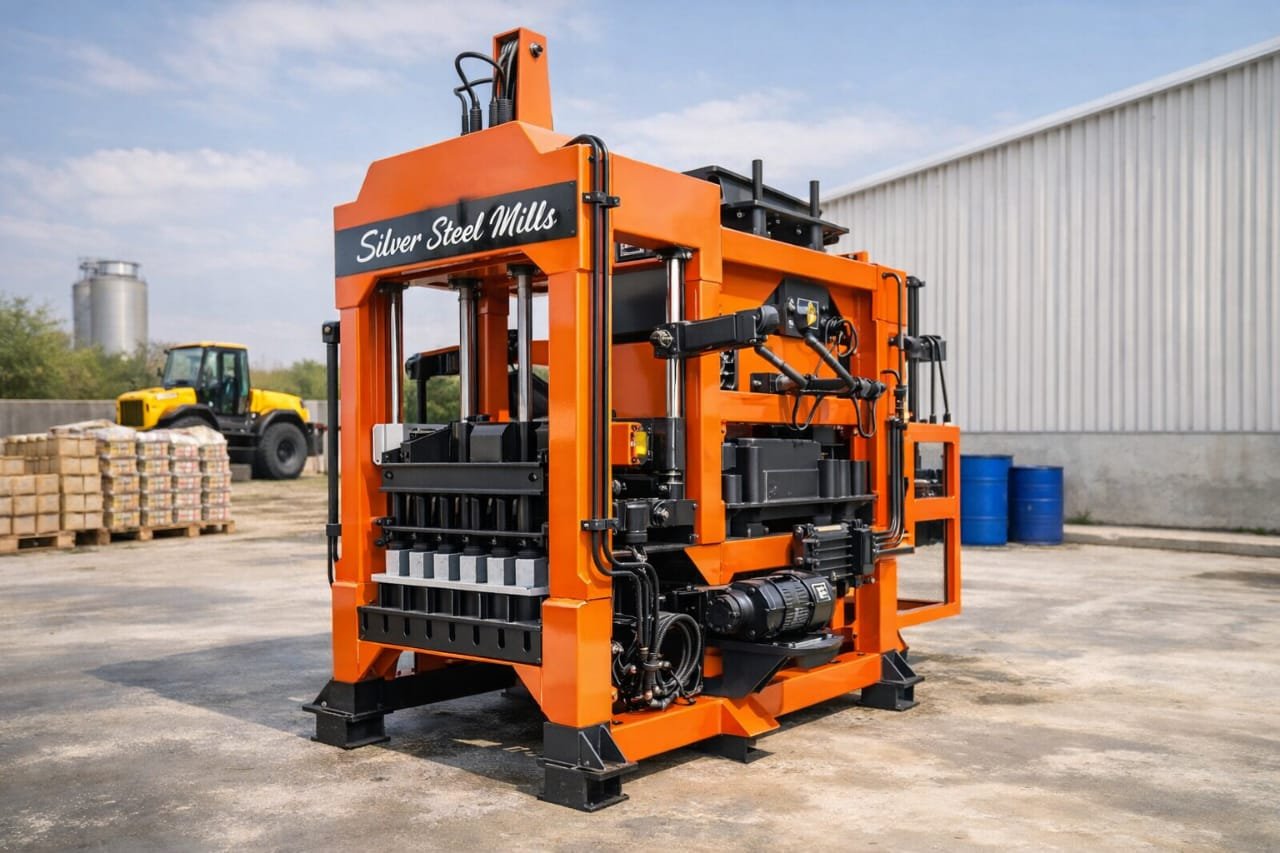
If you’re planning to start a brick or block manufacturing business, investing in a reliable block making machine is the first step. Check out quality options from trusted manufacturers like [Money Site URL] to ensure consistent output and better profit margins.

Post Comment